

Twin Cities Housing Market Update – May 2026

Model homes in bright colors and cash

Market Insights · May 2026

Twin Cities Housing Market Update – May 2026

This Twin Cities real estate market update comes directly from the field — from MinnMatch partner agents who are writing offers, listing homes, and navigating negotiations across the metro right now in May 2026. If you’re trying to figure out what kind of market we’re actually in, the honest answer is: it depends on the home.

We’re seeing a market that feels hot and competitive in one situation — and slow and cautious in another. That’s not a contradiction. That’s today’s reality.


Homes Are Still Moving Fast in the Twin Cities Market — If They’re Priced Right

One of Minnesota’s top-performing agents and MinnMatch partner, Art, summed up today’s Twin Cities real estate market update in one sentence:

“Well-prepared homes are still selling quickly. Strong marketing continues to matter. And pricing accuracy is everything.”

— Art, MinnMatch Partner Agent

The proof is in the numbers: 12 out of 17 homes Art’s team listed this year sold within five days — at or above list price. Demand is still there, but it’s not the blind demand we saw a few years ago. Buyers are engaged — just more calculated. According to the Minneapolis Area REALTORS®, this pattern of selective-but-active buying is consistent across the metro.


Why Buyers Are Still Active in the 2026 Real Estate Market

There’s a bigger trend driving activity in the May 2026 Twin Cities real estate market update. Mortgage applications jumped significantly in late 2025. Many buyers have accepted that rates aren’t likely to drop meaningfully anytime soon. And life events that were delayed during COVID are finally catching up — people are moving because they need to move, not because conditions are perfect.

12/17

Homes sold within 5 days at or above list price (Art’s team, 2026)

~3%

The overpricing threshold where homes start sitting on the market

Mortgage applications rose significantly in late 2025, driving spring 2026 activity

Add it all up, and you get a market where people are done waiting — and well-priced homes are still seeing multiple offers as a result. The Minnesota Housing Finance Agency tracks affordability and demand trends that help explain why delayed moves are finally materializing across the state.


Multiple Offers Are Back — But Today’s Real Estate Market Is Smarter

When a home hits the market at the right price, buyers are competing again. But this isn’t the frenzy market from a few years ago. Today’s buyers are more analytical, more cautious, and less willing to overpay blindly.

Which means negotiation strategy matters more than ever. The right agent isn’t just submitting offers — they’re managing escalation clauses, positioning buyers competitively, and finding off-market opportunities when possible. You can track current active inventory and list-to-sale price ratios on Redfin’s Minneapolis market page to get a live read on how quickly homes are moving.


The 3% Rule: Where Sellers Get Into Trouble

Here’s the biggest shift we’re seeing in the May 2026 Twin Cities real estate market update: if a home is overpriced by more than about 3%, it sits — even in desirable areas. Buyers today are informed. They’ll stretch for the right home — but they won’t chase something that feels off.

Big takeaway for sellers: Pricing slightly high doesn’t “leave room to negotiate” — it often costs you momentum, days on market, and ultimately net proceeds.


A Real Twin Cities Example: Price Isn’t Everything in Edina

MinnMatch partner agent Kelly shared a perfect snapshot of today’s micro-market dynamics — and what it reveals about where this market is heading.

📍 Case Study: Edina, Spring 2026

1
Home listed at $630,000Drew strong, immediate interest from multiple buyers.
2
Kelly’s buyers offered $680K, escalated to $711KA highly competitive offer — and they still lost the bidding war.
3
Sellers chose a different buyer — not the highest priceThat deal later fell apart during inspection.
4
Sellers came back — but Kelly’s buyers had moved onThe home is now sitting on the market. The lesson: the “best” offer isn’t always the highest price.
 

What This Means: Deals Are More Fragile in 2026

This is happening more than people realize across the Twin Cities. Today’s market isn’t just about getting an offer — it’s about getting the right offer to the finish line.

Sellers are weighing financing strength, inspection risk, and overall deal stability more than ever before. The highest number on paper isn’t always the safest path to closing.


A Smart Seller Strategy Gaining Traction: Pre-Inspections

One tactic our MinnMatch partner agents are increasingly recommending to sellers right now: pre-inspections — inspecting your home before you list it.

  • 🔍
    Builds immediate buyer confidenceTransparency upfront signals you have nothing to hide — and buyers respond to that.
  • 📉
    Reduces uncertainty during negotiationsFewer surprises means fewer reasons for buyers to renegotiate or walk.
  • Helps buyers feel comfortable waiving contingenciesIn a market where contingency-free offers are still competitive, this is a real edge.
  • 🏁
    Prevents deals from falling apart mid-processLike the Edina example above — a pre-inspection could have kept that deal together.
 

The Bottom Line: Twin Cities Real Estate Market — May 2026

Here’s the simplest way to think about today’s market — straight from the agents navigating it every day:

🏠 For Buyers

  • Be ready — good homes still move fast
  • Expect competition in desirable areas
  • Work with an agent who navigates strategy, not just submits offers

🔑 For Sellers

  • Pricing is everything — within a few percent matters
  • Preparation and presentation drive results
  • The goal isn’t just an offer — it’s a clean, reliable closing

This isn’t a “hot market” or a “slow market.” It’s a selective market — and that’s exactly why having the right strategy and the right agent matters more than ever in 2026.


Want to Talk Through Your Situation?

If you’re thinking about buying or selling and want a real, on-the-ground perspective, MinnMatch can connect you with the right agent for your situation. You can request Art, Kelly, or we’ll match you with another top partner agent based on your location, price point, and goals. No pressure — just a thoughtful introduction to the right expert.

Find Your Agent at MinnMatch →

Understanding Minnesota Market Conditions | Twin Cities Guide

Two-story brick and shake siding home with a two-car garage, arched entryway, and landscaped front yard representing a typical Twin Cities residential property

A Plain-Language Guide to How the Minnesota Housing Market Really Works

Real estate headlines often talk about “the market” as if it is one thing. In reality, Minnesota housing conditions vary widely by city, neighborhood, price point, and time of year.

This guide helps Minnesota buyers and sellers understand what market conditions mean, how they affect pricing and negotiation, and why local context matters far more than national averages.


1. What Are Market Conditions?

Market conditions describe the balance between buyers and sellers at a given moment in time.

They are shaped by:

  • Supply (how many homes are for sale)
  • Demand (how many buyers are actively looking)
  • Interest rates and affordability
  • Local economic factors
  • Seasonality

Understanding where the market stands helps set realistic expectations and informs strategy.


2. Buyer’s Market, Seller’s Market, and Balanced Market

These common terms describe different market environments.

Seller’s Market:

  • Fewer homes available
  • More buyer competition
  • Homes sell quickly
  • Prices may rise
  • Sellers often have more leverage

Buyer’s Market:

  • More homes available
  • Fewer buyers
  • Longer days on market
  • More negotiating power for buyers

Balanced Market:

  • Supply and demand are relatively even
  • Negotiations are more balanced
  • Pricing tends to be stable

Different Twin Cities communities can experience different market types at the same time.


3. Why Minnesota Is a Micro-Market State

Minnesota real estate is extremely local.

Market conditions can vary based on:

  • City vs. suburb vs. lake community
  • School districts
  • Commute patterns
  • Housing age and style
  • Price point

For example, entry-level homes in some suburbs may be highly competitive, while higher-priced homes nearby may move more slowly. Lake-area homes often follow different seasonal patterns than urban neighborhoods.


4. Inventory Levels and Months of Supply

One key metric professionals use is “months of supply.”

This measures how long it would take to sell all available homes at the current pace of sales.

General guidelines:

  • 0 to 3 months: Seller’s market
  • 4 to 6 months: Balanced market
  • 6+ months: Buyer’s market

Your agent can explain how this metric applies to your specific area and price range.


5. Pricing Trends and Comparable Sales

Pricing trends are based on recent comparable sales, not list prices.

Important factors include:

  • Sale price vs. list price
  • Days on market
  • Price reductions
  • Seasonal patterns

In Minnesota, spring and early summer often see stronger pricing due to increased demand, while late fall and winter may favor buyers in some segments.


6. Interest Rates and Buyer Behavior

Interest rates directly impact affordability and buyer activity.

When rates:

  • Decrease: buyer demand often increases
  • Increase: buyers may become more selective

Rate changes can affect different price ranges differently. Entry-level buyers are often the most sensitive to rate shifts.


7. How Market Conditions Affect Buyers

For buyers, market conditions influence:

  • Offer strategy
  • Pricing flexibility
  • Inspection negotiations
  • Timing decisions

In competitive markets, buyers may need to act quickly and write strong offers. In slower markets, buyers may have more leverage and time to evaluate options.


8. How Market Conditions Affect Sellers

For sellers, market conditions impact:

  • Pricing strategy
  • Preparation level
  • Negotiation flexibility
  • Marketing approach

Understanding local conditions helps sellers avoid overpricing and missed opportunities.


9. Why Local Expertise Matters More Than Headlines

National real estate headlines often lag behind or oversimplify what is happening locally.

A knowledgeable Minnesota agent understands:

  • Neighborhood-level data
  • Seasonal patterns
  • Buyer expectations
  • Current competition

This local insight leads to better decisions and smoother transactions.


How MinnMatch Helps

MinnMatch connects Minnesota buyers and sellers with trusted local real estate professionals who understand current market conditions at the neighborhood level.

Our matching process is human-reviewed and locally informed, so you are paired with an agent who can explain what the market means for your specific situation.

There is no cost and no pressure. Just clear guidance and a carefully matched local expert when you are ready.

Get Matched

Buying a Home in Minnesota

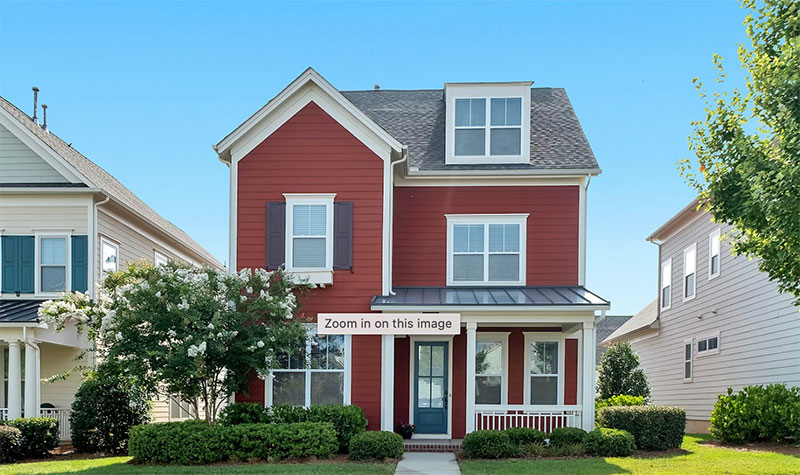
Two-story red craftsman-style home with white trim, dark shutters, a covered front porch, and a dormer window, representing a typical single-family home for sale in Minnesota

A Clear, Practical Guide for Minnesota Buyers Backed by Local Expertise

Buying a home in Minnesota is exciting, but it can also feel complex. From understanding local market conditions to navigating inspections and negotiations, small details can make a meaningful difference in outcomes.

This guide gives Minnesota buyers a clear, plain-language overview of the home buying process so you can make informed decisions and work confidently with the right local real estate professional.


1. Understanding the Minnesota Housing Market

Minnesota real estate is highly local. Market conditions can vary widely between the Twin Cities, first-ring suburbs, outer suburbs, and lake communities.

  • Inventory levels and available homes
  • Interest rates and affordability
  • Seasonal patterns, especially spring and early summer competition
  • Local demand by neighborhood and school district

In many Twin Cities communities, well-priced homes can still receive multiple offers. In others, buyers may have more room to negotiate. Understanding the dynamics of your specific area is critical.

This is where knowledgeable local guidance becomes invaluable.


2. Getting Financially Prepared

Before touring homes, it is important to understand your financial position.

  • Review your credit and monthly budget
  • Get pre-approved with a reputable lender
  • Understand down payment and closing cost requirements

Minnesota buyers often work with local mortgage professionals who understand state programs, property tax structures, and appraisal norms.

A strong pre-approval strengthens your offer and signals seriousness to sellers.


3. Choosing the Right Location

Minnesota offers a wide range of living environments, from urban neighborhoods to suburban communities and lake-area homes.

  • Commute and transportation options
  • Schools and amenities
  • Property taxes and assessments
  • Long-term resale potential
  • Lifestyle fit such as walkability or lake access

What works in Minneapolis may not apply in Edina, Wayzata, Prior Lake, or Lake Minnetonka. Local pricing patterns and buyer expectations differ by community.


4. Touring Homes and Evaluating Properties

  • Overall condition and maintenance
  • Layout and functionality
  • Age of major systems such as roof and HVAC
  • Traffic patterns and lot features

In Minnesota, seasonal conditions matter. Snow and frozen ground can conceal issues, making professional inspections especially important.


5. Making an Offer in Minnesota

A Minnesota purchase agreement typically includes:

  • Purchase price
  • Earnest money
  • Inspection and financing contingencies
  • Closing date
  • Included personal property
  • Additional terms or addenda

In competitive situations, strategy matters. Local insight can guide escalation clauses, inspection timing, and non-price terms.


6. Inspections and Due Diligence

  • General home inspection
  • Radon testing, very common in Minnesota
  • Sewer line inspection
  • Well and septic inspections where applicable

Based on results, buyers may proceed as-is, request repairs, renegotiate terms, or withdraw if contingencies allow.


7. Appraisal and Final Financing

The lender orders an appraisal to confirm value. If it meets expectations, the transaction proceeds. If it comes in low, additional negotiation may be required.

The lender completes underwriting before issuing clear-to-close approval.


8. Closing on Your Minnesota Home

  • Final walkthrough
  • Signing documents with title company or attorney
  • Funding down payment and closing costs
  • Recording of the deed

Once completed, the home is officially yours.


Why Local Guidance Matters

  • Neighborhood-specific pricing
  • Competitive offer strategy
  • Inspection norms
  • Negotiation expectations
  • Avoiding costly missteps

Online information is helpful, but buying a home is rarely one-size-fits-all.


How MinnMatch Helps

MinnMatch connects Minnesota buyers with trusted, experienced local real estate professionals through a thoughtful, human-reviewed matching process. There is no cost and no pressure. Just clear guidance and a carefully matched local expert when you are ready.

Get Matched