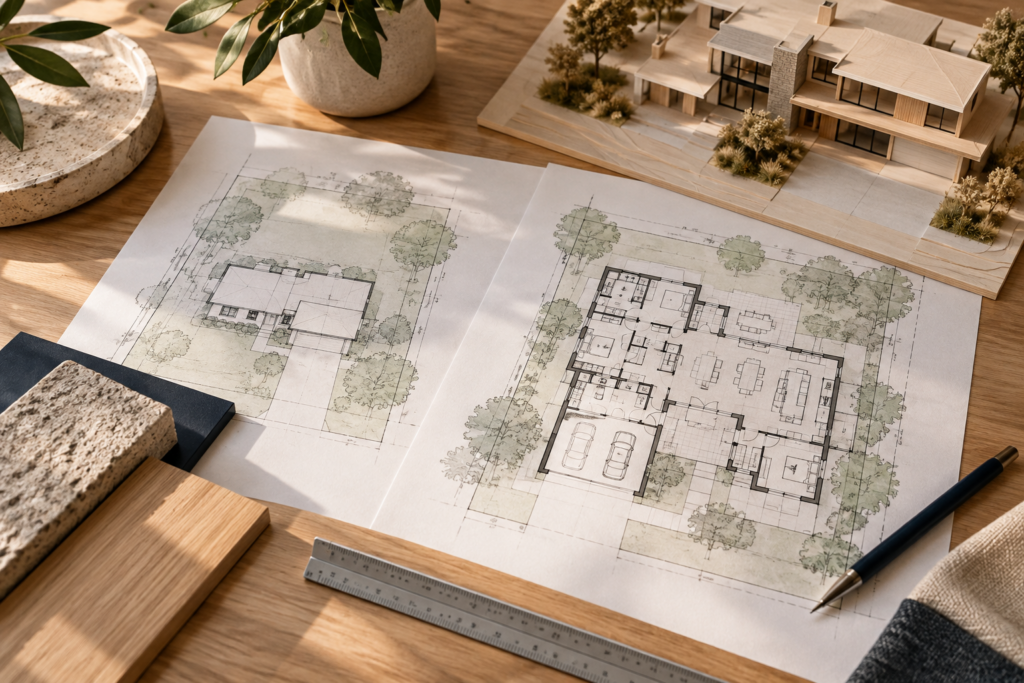
Drive through Morningside, White Oaks, or the streets around Countryside Park and you’ll see it on nearly every block: a 1950s rambler sitting next to a brand-new two-story with a modern farmhouse roofline. Edina has been one of the busiest teardown markets in the Twin Cities for more than a decade, and for good reason. Buyers want the schools, the location, and the established trees, but not always the 70-year-old floor plan. If you’re weighing an Edina teardown or shopping for a newly built home, here’s what to know about lot values, rebuild costs, and the city rules that shape every project.
Why Edina Teardowns Are So Common
Edina’s housing stock is a mix of prewar homes, postwar ramblers and split-levels, and newer construction. Much of the city was built out between the late 1940s and the 1970s, and many of those homes sit on generous lots in neighborhoods that are now some of the most in-demand in the metro. When the land is worth more than the house on it, redevelopment follows.
That’s the basic math behind an Edina teardown: a buyer pays for the location, removes the existing house, and builds something that fits how families live today, with open kitchens, bigger primary suites, mudrooms, and finished lower levels. You’ll see this most in the older, close-in neighborhoods east of Highway 100 and near 50th & France, though it happens across the city. For a broader look at how the city’s neighborhoods compare, see our Edina community guide.
What Lots and Rebuilds Actually Cost
There’s no single price for a teardown lot in Edina. Location, lot width, slope, trees, and which side of a busy street you’re on all move the number. Generally, homes bought for redevelopment in the most popular neighborhoods trade for well above the city’s typical starter-home price, because buyers are competing with builders who know exactly what a finished home on that block will sell for. You can track the overall pace of the market on Redfin’s Edina housing market page, but lot-level pricing really calls for a close look at recent sales on the same streets.
On top of the land, budget for the whole picture:
- Demolition and site work: asbestos survey or abatement, utility disconnects, hauling, and excavation.
- Design and engineering: architect fees, a new survey, stormwater planning, and possibly shoring or retaining wall engineering on tight or sloped lots.
- Construction: custom builds in Edina typically land in the high-end range on a per-square-foot basis, and finishes drive that number more than anything else.
- Permits, escrows, and carrying costs: city and watershed permits, tree protection escrow, plus property taxes and interest while the house is built.
Add it up and the all-in cost of a new home on an Edina teardown lot often lands in the same territory as buying a recently built home outright. That’s why it pays to price both paths before you commit to one.
Edina Teardown Rules: What the City Requires
Edina has more structure around residential redevelopment than most Twin Cities suburbs, and it has a dedicated Residential Redevelopment Coordinator to manage it. The rules came out of years of neighbor complaints about construction traffic, mud, and oversized homes, so expect the process to be thorough. According to the city’s residential demolition checklist, a teardown includes:
- Neighbor notification: letters to every property within 300 feet at least 15 days before demolition, and a neighborhood meeting at least 5 days before work starts.
- A Construction Management Plan signed by the builder, plus erosion control, dust control, and an existing-conditions survey.
- Tree Protection Escrow under city code, which matters a lot in a city known for its mature canopy.
- A watershed permit from either Nine Mile Creek or Minnehaha Creek, depending on where the lot sits.
- A 30-day rule: if a new home doesn’t start within 30 days of demolition, the site must be filled, graded, and seeded, or the city uses the escrow to do it.
The new house then goes through its own review, outlined in the city’s new single-family home checklist, including a stormwater report and impervious surface calculations. Zoning limits on height, setbacks, and lot coverage also control how big you can build, and they vary with lot size and width. Confirm those numbers with Edina’s planning department before you fall in love with a floor plan. One more Edina-specific wrinkle: homes in the Country Club District are part of a heritage landmark district, so demolition and new construction there require a Certificate of Appropriateness and face a much higher bar.
Buying a New Build vs. Building Your Own
Most buyers interested in new construction in Edina end up on one of three paths:
- Buy a finished spec home. A builder buys the lot, builds, and lists it. You get a new house with a known price and no construction risk, but less say in the design.
- Buy a lot-and-plan package. Some builders control lots and offer to build one of their plans, with room for customization. It’s a middle ground on control and timeline.
- Do your own Edina teardown. You buy the existing home, pick an architect and builder, and manage the full process. Maximum control, but also the longest timeline, often a year or more from purchase to move-in, and the most decisions.
If you go the do-it-yourself route, line up financing early. Construction loans work differently from a standard mortgage, with draws released as the build progresses, and you’ll want a plan for where you’ll live in the meantime. Our buyer resources are a good place to start sorting out the basics.
What to Check Before You Buy a Teardown
A house you plan to knock down still deserves due diligence. The questions just shift from the furnace and the roof to the dirt underneath. Before you write an offer, look into:
- Buildable footprint: what setbacks, height limits, and impervious surface rules actually allow on that specific lot.
- Soils and drainage: low spots, high water tables, and proximity to creeks or ponds can add real cost.
- Trees: which mature trees you can remove and how tree protection will shape the site plan.
- Utilities and old wells: sewer and water connections, and whether an old well needs to be sealed.
- The block itself: what nearby new builds have sold for, which tells you whether your finished home will hold its value.
Many teardown buyers write offers with a longer inspection or feasibility period so they can bring in a builder or architect to walk the lot before they’re locked in. In a competitive neighborhood, an agent who knows how Edina redevelopment works can help you balance that protection against making a strong offer.
Edina Teardown FAQ
Do I need city approval to tear down a house in Edina?
Yes. You need a demolition permit, which requires neighbor notification within 300 feet, a neighborhood meeting, a construction management plan, utility disconnects, asbestos verification, and tree protection escrow, among other items. The new home needs a separate building permit.
How long does a teardown and rebuild take in Edina?
Plan on a year or more from purchase to move-in when you account for design, permitting, demolition, and construction. City plan review alone takes at least two weeks, and Minnesota winters can stretch exterior work.
Is it cheaper to build new or buy a newer home in Edina?
It depends on the lot and your finish level. Once you add land, demolition, design, construction, and carrying costs, building often costs about the same as buying a recently built home, so compare both before deciding.
Find an Agent Who Knows Edina Redevelopment
Buying a teardown or a new build in Edina is a different kind of purchase. You need someone who can read a lot, knows which blocks are turning over, and has relationships with local builders. MinnMatch hand-matches buyers with vetted Twin Cities agents who know Edina street by street, and it’s free for buyers. See how MinnMatch works, or get matched with an Edina agent today.